
SNDT Women’s University – Law School (Mumbai)
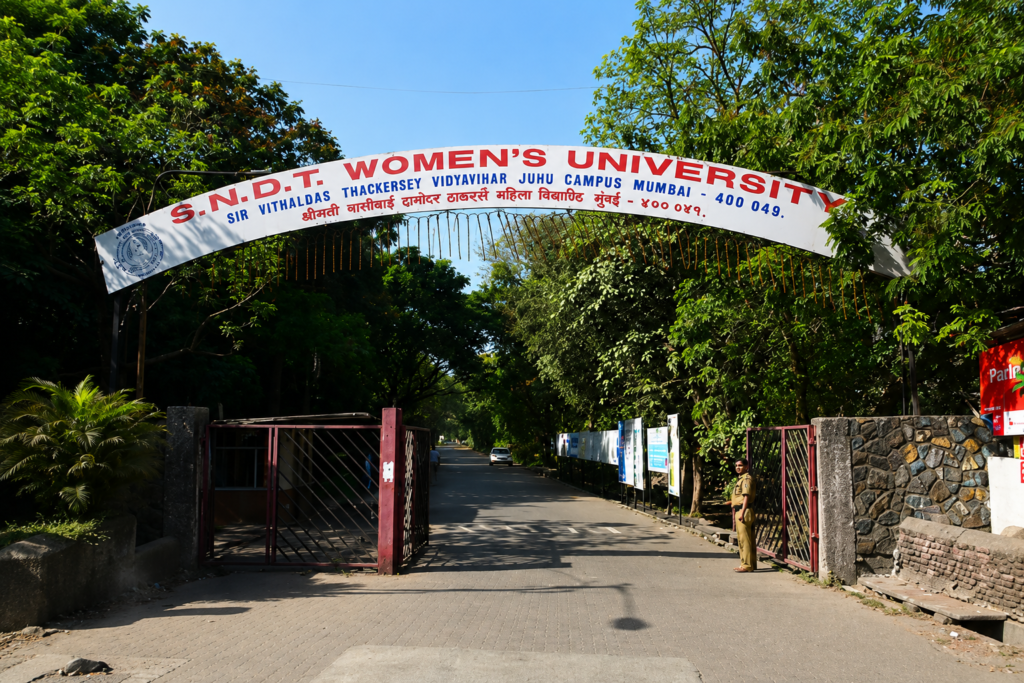

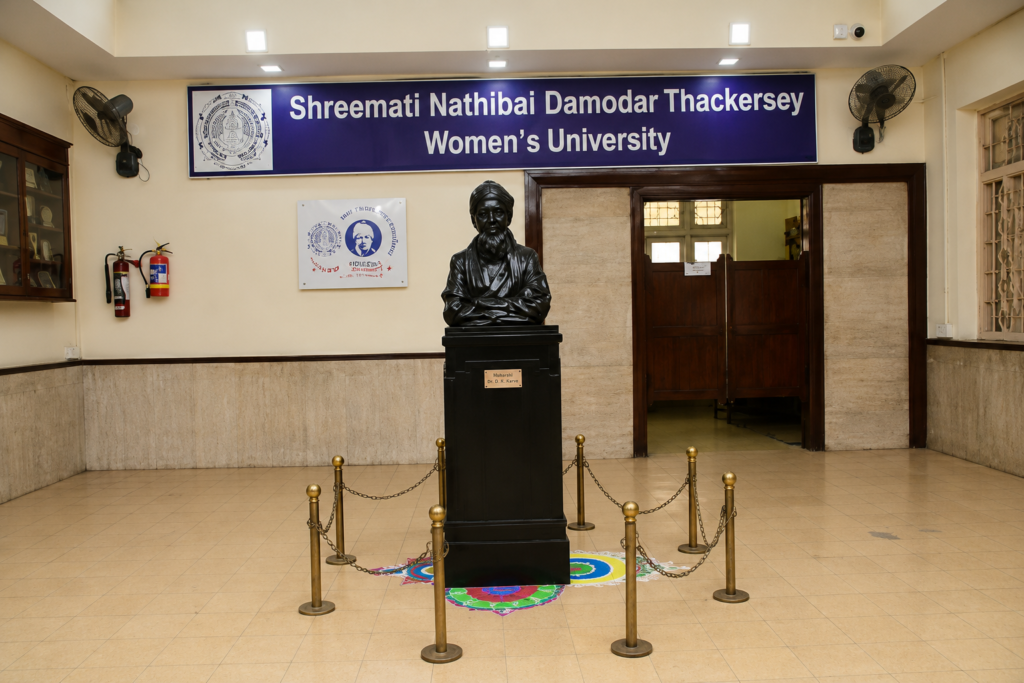
Description
About SNDT Women’s University – Law School, Mumbai
Verified by Lawsection.in Editorial Team | Updated: July 28, 2026
SNDT Women’s University – Law School is one of Maharashtra’s established institutions for women’s legal education. The Law School functions under SNDT Women’s University, which was established in 1916 by Maharshi Dr. Dhondo Keshav Karve and is widely recognised as the first women’s university in India.
The Law School is located at the university’s Juhu Campus in Santacruz (West), Mumbai. The institution focuses on women’s empowerment through legal education, practical legal education, research, advocacy exposure, and socio-legal awareness. Over the years, the Law School has developed an academic environment that combines classroom learning with practical legal exposure through moot courts, legal aid activities, court visits, seminars, debates, and guest lectures.
Unlike many conventional law colleges, SNDT Women’s University – Law School specifically promotes women-centric legal education and aims to encourage greater participation of women in litigation, judiciary, academia, corporate law, public policy, and legal research.
According to official university information, the Law School became operational during the academic year 2006–07 with the objective of providing quality legal education to women students. Since then, the institution has offered undergraduate, integrated, postgraduate, and doctoral legal programmes.
Furthermore, the Law School operates under the broader academic structure of SNDT Women’s University and follows the academic framework, regulations, and institutional guidelines prescribed by the university and applicable statutory authorities.
University Snapshot
Location
Mumbai, Maharashtra, India
Established (University)
1916
Law School Operational Since
Academic Year 2006–07
Type
Constituent Law School of SNDT Women’s University
University Status
State Public Women’s University
Campus Address
SNDT Women’s University – Law School, Juhu Road, Santacruz (West), Mumbai – 400049, Maharashtra
Official Website
https://sndt.ac.in/
Main Law Programmes
LL.B., B.B.A. LL.B., LL.M., and Ph.D. (Law), subject to university regulations
Admission Basis
MH-CET Law / Merit / University Admission Rules (depending on programme)
Mode of Study
Full-Time
Medium of Instruction
English
Regulatory Framework
Professional law programmes are offered in accordance with applicable Bar Council of India (BCI) regulations
Law Programmes Offered by SNDT Women’s University – Law School
SNDT Women’s University – Law School offers multiple legal education programmes ranging from undergraduate to advanced research level. The institution primarily focuses on professional legal education for women students.
LL.B. Programme
Duration: 3 Years
Level: Undergraduate Professional Degree
Eligibility: Graduation from a recognised university with eligibility subject to applicable Bar Council of India (BCI) norms and university admission regulations
Admission Process: MH-CET Law and university admission procedures
Mode: Full-Time
Medium: English
The three-year LL.B. programme is designed for graduates who wish to pursue careers in litigation, judiciary, legal consultancy, public administration, corporate legal departments, or legal services.
B.B.A. LL.B.
Duration: 5 Years (Integrated)
Level: Integrated Undergraduate Programme
Eligibility: 10+2 or an equivalent qualification with eligibility subject to applicable Maharashtra CET and university admission regulations
Admission Process: MH-CET Law and counselling process
Mode: Full-Time
Medium: English
The integrated B.B.A. LL.B. programme combines management education with legal studies. Consequently, students receive exposure to both corporate administration and legal systems.
LL.M. (Master of Laws)
Duration: 2 Years (4 Semesters)
Level: Postgraduate
Eligibility: LL.B. degree or an equivalent qualification recognised under applicable university regulations
Admission Basis: Merit and university admission rules
Mode: Full-Time
The LL.M. programme focuses on advanced legal studies, research orientation, and specialised understanding of legal subjects.
Ph.D. (Law)
Duration: As per university regulations
Eligibility: Master’s degree in Law or equivalent qualification as prescribed by university regulations
The institution offers Ph.D. (Law) subject to university regulations, eligibility conditions, and applicable admission notifications.
Why SNDT Women’s University – Law School is Different
SNDT Women’s University – Law School stands apart because it specifically focuses on women’s legal education and empowerment. While many law colleges operate as co-educational institutions, SNDT’s legal education framework is designed primarily to encourage women’s participation in the legal profession.
Moreover, the institution combines theoretical learning with practical legal exposure through moot court activities, legal aid programmes, debates, article writing competitions, workshops, and expert lectures.
The Mumbai location also provides an academic advantage because students gain access to a wider legal ecosystem that includes courts, law firms, tribunals, legal organisations, and opportunities for practical legal exposure.
Additionally, the university’s long-standing legacy in women’s education strengthens the institution’s academic credibility and social reputation.
Recognition and Institutional Status
SNDT Women’s University holds a historic position in Indian higher education because it was established as one of the pioneering institutions dedicated to women’s education in India.
Key Recognition Details
- SNDT Women’s University was established in 1916.
- The university is widely recognised as the first women’s university in India.
- The Law School operates under SNDT Women’s University.
- Applicable professional law programmes are conducted in accordance with Bar Council of India (BCI) regulations.
- The university is accredited by the National Assessment and Accreditation Council (NAAC).
- SNDT Women’s University participates in national academic and institutional evaluation frameworks.
Furthermore, the institution continues to contribute to women’s education, professional development, research, and legal awareness initiatives.
Faculty, Academic Exposure and Student Development
The Law School encourages practical legal education along with classroom teaching. Therefore, students regularly participate in academic and co-curricular activities related to law and justice.
According to official institutional information, student exposure activities may include:
- Moot Court Competitions
- Court Visits
- Legal Aid Activities
- Debate Competitions
- Article Writing Activities
- Guest Lectures by Legal Experts
- Academic Seminars and Workshops
As a result, students receive opportunities to improve advocacy skills, legal drafting abilities, analytical thinking, and public speaking confidence.
Moreover, the institution promotes awareness regarding constitutional rights, legal literacy, and women’s empowerment through law.
Why Students Choose SNDT Law School Mumbai
Many students prefer SNDT Women’s University – Law School because it provides a women-focused legal education environment supported by an established public university.
The institution is particularly suitable for:
- Students seeking women-centric legal education
- Aspirants preparing for litigation and advocacy careers
- Candidates interested in judiciary preparation
- Students planning careers in corporate legal departments
- Aspirants interested in legal research and academia
- Women students seeking professional legal training in Mumbai
- Students looking for exposure to courts, legal institutions, and practical legal learning opportunities
Furthermore, the institution’s emphasis on professional development and legal awareness makes it relevant for modern legal education requirements.
Rankings, Reputation and Academic Standing
SNDT Women’s University is widely recognised for its long-standing contribution to women’s education in India.
Although the university is multidisciplinary in nature and not exclusively a law university, it maintains an established academic reputation because of:
- Its historic legacy since 1916
- Its role in women’s higher education
- Its NAAC accreditation status
- Its structured professional programmes
- Its women-centric educational environment
- Its presence in Mumbai’s academic and professional ecosystem
Additionally, the Law School benefits from the university’s broader academic infrastructure and institutional reputation.
Documents Required for Admission
Applicants generally require the following documents during the admission process:
- 10th mark sheet and certificate
- 12th mark sheet and certificate
- Graduation mark sheets (for LL.B./LL.M. applicants)
- MH-CET Law scorecard (where applicable)
- Passport-size photographs
- Government identity proof
- Category certificate, if applicable
- Migration certificate, if required
- Transfer certificate
- Domicile certificate, if applicable
- Relevant entrance examination documents
Students should always verify updated admission requirements from the official university website before applying.
Admission Process at SNDT Women’s University – Law School
Admission procedures may vary depending on the programme and applicable university rules.
Step-by-Step Admission Process
- Visit the official SNDT Women’s University website.
- Check programme eligibility criteria carefully.
- Register for MH-CET Law, where applicable for the selected programme.
- Complete the online university application process.
- Upload required academic and personal documents.
- Submit entrance examination details where applicable.
- Wait for merit lists, counselling, or admission notifications.
- Complete fee payment and admission confirmation.
- Verify documents during the admission process.
- Report to the institution within the prescribed schedule.
Students should regularly check the official university portal for updated notifications and admission timelines.
Best Law Universities and Colleges in Maharashtra
Students planning to pursue legal education in Maharashtra often compare multiple universities before making their admission decision. While SNDT Women’s University – Law School is an established institution dedicated to women’s legal education, applicants may also consider other recognised law universities and colleges across the state based on their preferred programme, career goals, location, admission requirements, and academic interests.
Each institution follows its own academic structure, admission process, programme offerings, faculty profile, research opportunities, moot court activities, campus facilities, fee structure, and student support services. Therefore, applicants should carefully compare these factors before selecting a law university that best aligns with their long-term academic and professional goals.
SNDT Women’s University – Law School offers legal education within the academic framework of SNDT Women’s University, a historic public women’s university established in 1916. The Law School offers undergraduate, integrated, postgraduate, and Ph.D. (Law) programmes while emphasising women’s empowerment, practical legal education, research, advocacy skills, legal awareness, and professional development. Its location in Mumbai also enables students to benefit from the city’s extensive legal ecosystem, including courts, law firms, tribunals, and legal organisations.
However, before finalising any admission decision, applicants should always compare the latest eligibility criteria, admission procedure, programme curriculum, fee structure, faculty expertise, research opportunities, practical legal training opportunities, moot court exposure, and experiential learning opportunities, academic infrastructure, placement support, and applicable Bar Council of India (BCI) requirements before selecting a law institution.
Leading Law Universities and Colleges in Maharashtra
| Law University / College | Highlights |
|---|---|
| SNDT Women’s University – Law School, Mumbai | Constituent Law School of SNDT Women’s University offering LL.B., B.B.A. LL.B., LL.M., and Ph.D. (Law) programmes with a strong focus on women’s legal education, practical learning, and academic development. |
| Government Law College (GLC), Mumbai | One of India’s oldest law colleges, recognised for its academic legacy, distinguished alumni, moot court culture, and strong legal education. |
| Maharashtra National Law University (MNLU), Mumbai | National Law University offering integrated law programmes, LL.M., Ph.D., interdisciplinary legal education, and advanced legal research opportunities. |
| ILS Law College, Pune | Well-established law college offering undergraduate, postgraduate, diploma, and research programmes with emphasis on practical legal education. |
| Symbiosis Law School, Pune | Constituent institution of Symbiosis International (Deemed University) offering integrated law programmes, LL.M., research opportunities, and global academic exposure. |
| University of Mumbai – Department of Law, Mumbai | University department offering postgraduate legal education and doctoral research, while undergraduate law education is conducted through affiliated law colleges. |
| Savitribai Phule Pune University – Department of Law, Pune | Public university department offering postgraduate legal education, doctoral programmes, and specialised legal research opportunities. |
| Dr. Babasaheb Ambedkar Marathwada University (BAMU), Chhatrapati Sambhajinagar | Public university department offering postgraduate legal education, research programmes, and legal studies through affiliated institutions. |
Other Leading Law Universities in India
Students interested in pursuing legal education outside Maharashtra may also consider some of India’s leading law institutions based on their preferred career pathway, entrance examination, and academic interests. These institutions are well known for legal education, research, litigation, corporate law, judiciary preparation, public policy, and higher legal studies.
- National Law University Delhi (NLU Delhi)
- Indian Law Institute (ILI), New Delhi
- National Law Institute University (NLIU), Bhopal
- Gujarat National Law University (GNLU), Gandhinagar
- Dr. Ram Manohar Lohiya National Law University (RMLNLU), Lucknow
- Faculty of Law, Banaras Hindu University (BHU), Varanasi
Before choosing any law university or college, applicants should compare factors such as institutional recognition, programme eligibility, admission process, curriculum, faculty expertise, research opportunities, practical legal training, moot court activities, experiential learning opportunities, scholarships, academic infrastructure, placement support, and alumni network. A careful comparison of these factors can help students select a law institution that best matches their academic interests, career objectives, preferred location, and long-term professional aspirations.
Frequently Asked Questions (FAQs)
1. Is SNDT Women’s University – Law School good for girls pursuing law in Mumbai?
Yes. SNDT Women’s University – Law School is considered a strong option for women seeking legal education in Mumbai because it offers a women-focused academic environment, professional law programmes, practical exposure activities, and access to Mumbai’s legal ecosystem, including courts, law firms, legal organisations, and practical learning opportunities.
2. Does SNDT Law School provide good career opportunities after LL.B. or B.B.A. LL.B.?
Yes. Students can pursue careers in litigation, judiciary preparation, corporate legal departments, legal consultancy, compliance, public service, NGOs, legal research, and higher education. Additionally, Mumbai’s professional environment may provide valuable networking opportunities and practical legal exposure during the course.
3. Is MH-CET Law compulsory for admission to SNDT Women’s University – Law School?
MH-CET Law is generally required for admission to undergraduate law programmes such as LL.B. and B.B.A. LL.B., subject to Maharashtra admission regulations and university guidelines applicable for the relevant academic year.
4. Does SNDT Women’s University – Law School provide internship exposure and practical legal training?
The institution encourages practical legal exposure through activities such as moot courts, legal aid initiatives, seminars, workshops, and court visits. Because the campus is located in Mumbai, students may also gain opportunities for practical legal exposure through advocates, law firms, NGOs, and other legal organisations, depending on the opportunities available during their course.
5. Is SNDT Women’s University – Law School suitable for judiciary and higher legal studies preparation?
Yes. Many students choose the institution for judiciary preparation, LL.M., legal research, and academic careers because the Law School offers structured legal education along with exposure to research, legal writing, advocacy skills, and constitutional studies.
Conclusion
SNDT Women’s University – Law School, Mumbai continues to maintain its position as an established institution for women’s legal education in Maharashtra. Backed by the historic legacy of SNDT Women’s University, the institution focuses on professional legal education, academic development, legal awareness, and women’s empowerment.
Moreover, the availability of undergraduate, integrated, postgraduate, and Ph.D. (Law) programmes allows students to pursue diverse academic and professional pathways in law.
Because of its Mumbai location, academic environment, practical exposure activities, and institutional heritage, SNDT Women’s University – Law School continues to remain an established and academically relevant option for students seeking structured legal education within a women-focused university system.
Study LLM Abroad: Top Law Universities in UK, USA & Canada
Planning to pursue an LLM abroad? Explore carefully curated and verified guides to top-ranked law universities in the United Kingdom, United States, and Canada. These country-wise pages provide structured information on admission requirements, eligibility criteria, tuition fees, intakes, scholarships, and career prospects — based on official university sources and updated as of 2026. Compare destinations confidently and choose the best pathway for your global legal career.
LLM In UK

Find the best Law Universities in United Kingdom.
LLM In USA
Explore Top-ranked Law Universities in the USA.
LLM in Canada
Canada’s Top-ranked Law Universities listed here.
This information is curated by Lawsection’s editorial team as part of our Study Law Abroad and Global Law College Directory initiatives.
The content has been carefully reviewed and updated in accordance with the latest information available from the official website of SNDT Women’s University – Law School, Mumbai, along with applicable university and Bar Council of India (BCI) regulations.
Address







Cardiff Metropolitan University, UK – Law Courses, Fees, Eligibility, Admissions 2026
- Government
- LLB (3 Years), LLM Abroad, Juris Doctor (JD), PhD in Law




Wrexham University Law Courses in UK (2026): Fees, Entry Requirements, Admissions & Student Guide
- Government
- LLB (3 Years), LLM Abroad, Juris Doctor (JD), PhD in Law



Cardiff University, UK – Law Courses, Fees, Admission Requirements & Study Opportunities (2026)
- Government
- LLB (3 Years), LLM Abroad, Juris Doctor (JD), PhD in Law


Swansea University Law School (UK): Courses, Fees, Eligibility, Admissions, Rankings & Study Guide 2026
- Government
- LLB (3 Years), LLM Abroad, Juris Doctor (JD), PhD in Law



Bangor University, UK – Law Courses, Fees, Eligibility, Admissions & Bangor Law School Guide (2026)
- Government
- LLB (3 Years), LLM Abroad, Juris Doctor (JD), PhD in Law



Queensland University of Technology Law School Australia: Courses, Fees, Eligibility, Admissions & Career Opportunities 2026
- Government
- LLB (3 Years), LLM Abroad, Juris Doctor (JD), Doctor of Juridicial Science (S.J.D), PhD in Law



Griffith University, Australia – Complete Guide to Law Programs, Fees, Eligibility, Campuses & Admissions (2026)
- Government
- LLB (3 Years), LLM Abroad, Juris Doctor (JD), Doctor of Juridicial Science (S.J.D), PhD in Law
